



댓글 0


기사입력 : 2025.11.28 10:30




[교육연합신문=이채원 학생기자]
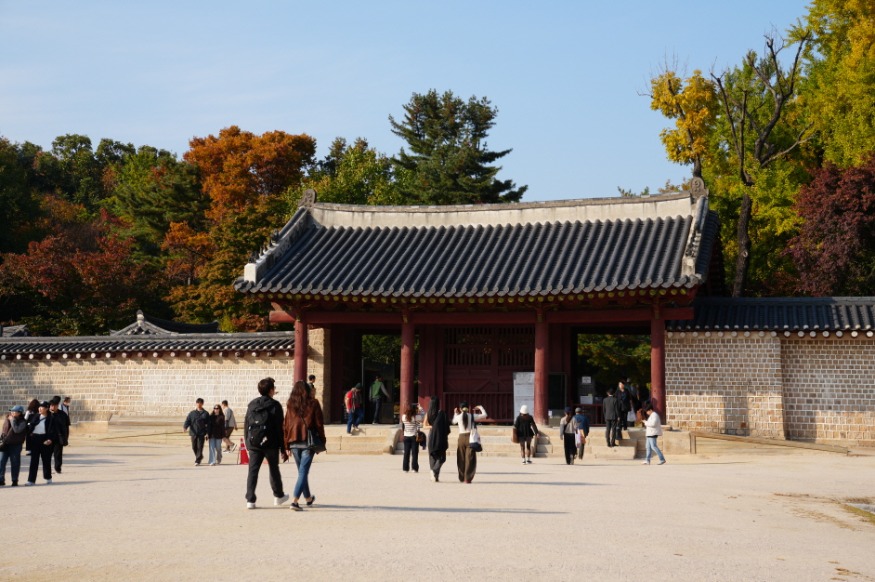
With autumn fast arriving and quickly fleeting, the various palaces of the Joseon Dynasty are the perfect places to go to witness Korea in its four seasons. With the gray skyline and modern buildings forming a backdrop for vivid shades of red, yellow, and gold, Seoul creates a unique seasonal charm. Jongmyo, with its quiet pathways and serene traditional architecture, is one of the most peaceful places in Seoul to experience this autumn atmosphere. Jongmyo Shrine is located right next to these palaces, and with the cultural opportunities it offers, the heritage site holds significance for many, especially this time of the year.
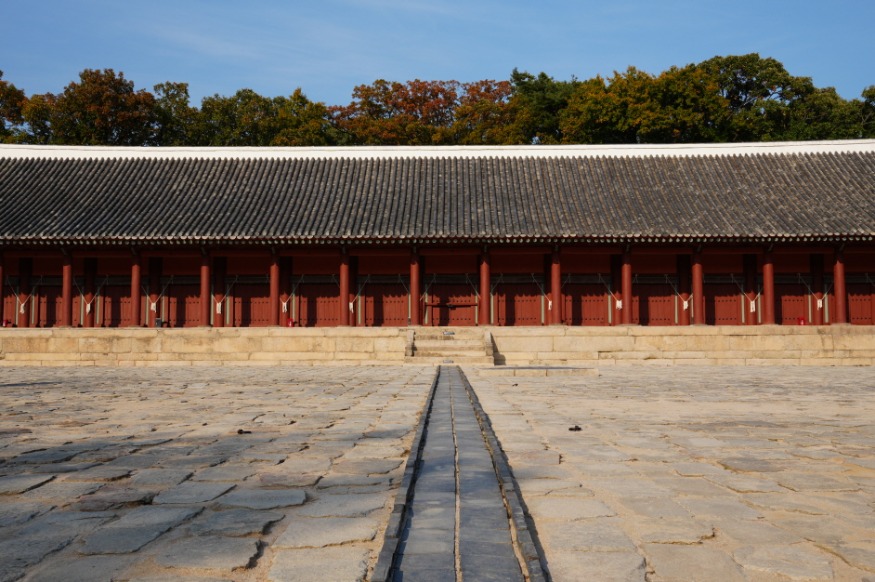
Jongmyo Shrine is the premier state shrine in the country to hold ancestral rites for kings and queens, emperors and empresses of Joseon and the Korean Empire. It was initially built to the east of Gyeongbokgung Palace in 1395, and at that time, there was only the Jeongjeon Shrine. In this single shrine, five kings–the four ancestors of reigning kings, including King Taejo, the founder of Joseon–were enshrined. However, King Sejong found that the deities of kings who deviated from the four ancestors required shrines, and therefore built Yeongnyeongjeon Hall. King Yeonsangun later changed the system of enshrinement, dividing the place by establishing “Sesil” and “Jocheon”. A “Sesil” was a king who had succeeded or had high merit, and a “Jocheon” was for kings with a short line of succession, or who had passed away. The “Sesil” was kept in Jeongjeon Hall, while “Jocheon” was moved to the Yeongnyeongjeon Hall.
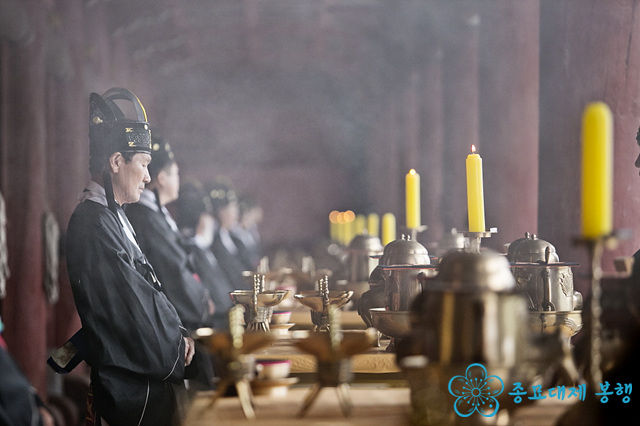
Source: Official Website of the Jongmyo Daeje (https://jongmyo.net/57)
Jongmyo Shrine was inscribed as a UNESCO World Heritage Site in 1995 for its well-preserved original structure and distinctive architectural style. Even more significant, however, are the Jongmyo Jerye Ritual and Jongmyo Jeryeak Music performed at the shrine, both of which are registered as UNESCO Intangible Cultural Heritage of Humanity. These traditions are uniquely Korean and represent a rich, comprehensive cultural heritage.
The Jongmyo Jerye is a royal ancestral ritual held at Jongmyo Shrine, where the spirit tablets of past kings and queens of the Joseon Dynasty are enshrined. This year, the Jongmyo Autumn Ancestral Rite took place on November 1, marking the conclusion of the 2025 ceremonies, which occur annually on the first Sunday of May and the first Saturday of November.
The ritual itself consists of two parts: the Substitute Rite and the Royal Rite. The ritual itself follows in this order: Chwiwi (positioning), Singwan-rye (Purification Rite), Cheonjo-rye (food offerings), Choheon-rye (first wine offering), Aheon-rye (second wine offering), Jongheon-rye (final wine offering), Eumbok-rye (Sharing of Blessings), Songsin-rye (farewell to the spirits), Mangnyo-rye (fire offering), and finally Mangnyo (completion). In addition, the Jongmyo Daeje includes Jeryeak, royal ancestral ritual music, and Ilmu, court dance.
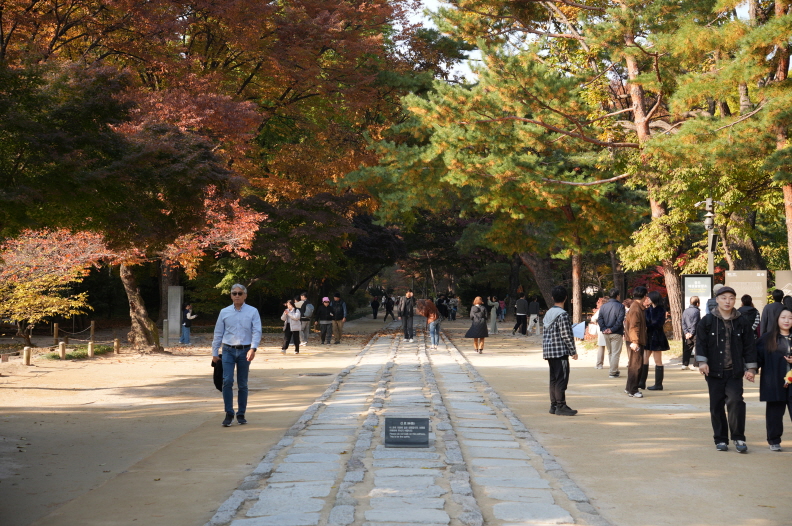
These extensive traditions reflect the significance of the history of these kings in Korea. Jongmyo Shrine features numerous rocky pathways, with signs warning against walking on them, as they are reserved for the spirits that roam the area. These small details are what make Korea such a historically and culturally significant location. In addition to the beautiful autumn foliage and sights, Jongmyo Shrine offers a cultural context of Korea, with traditions that honor the past while engaging the people of the present–a rare, yet beautiful opportunity for anyone visiting or living in Korea.

ⓒ 교육연합신문 & www.eduyonhap.com 무단전재-재배포금지

전체댓글 0
